
STORY

Ignite Ohio Brings New Faces and Renewed Purpose to Middletown Church
September 21, 2026
Francis Tuffour

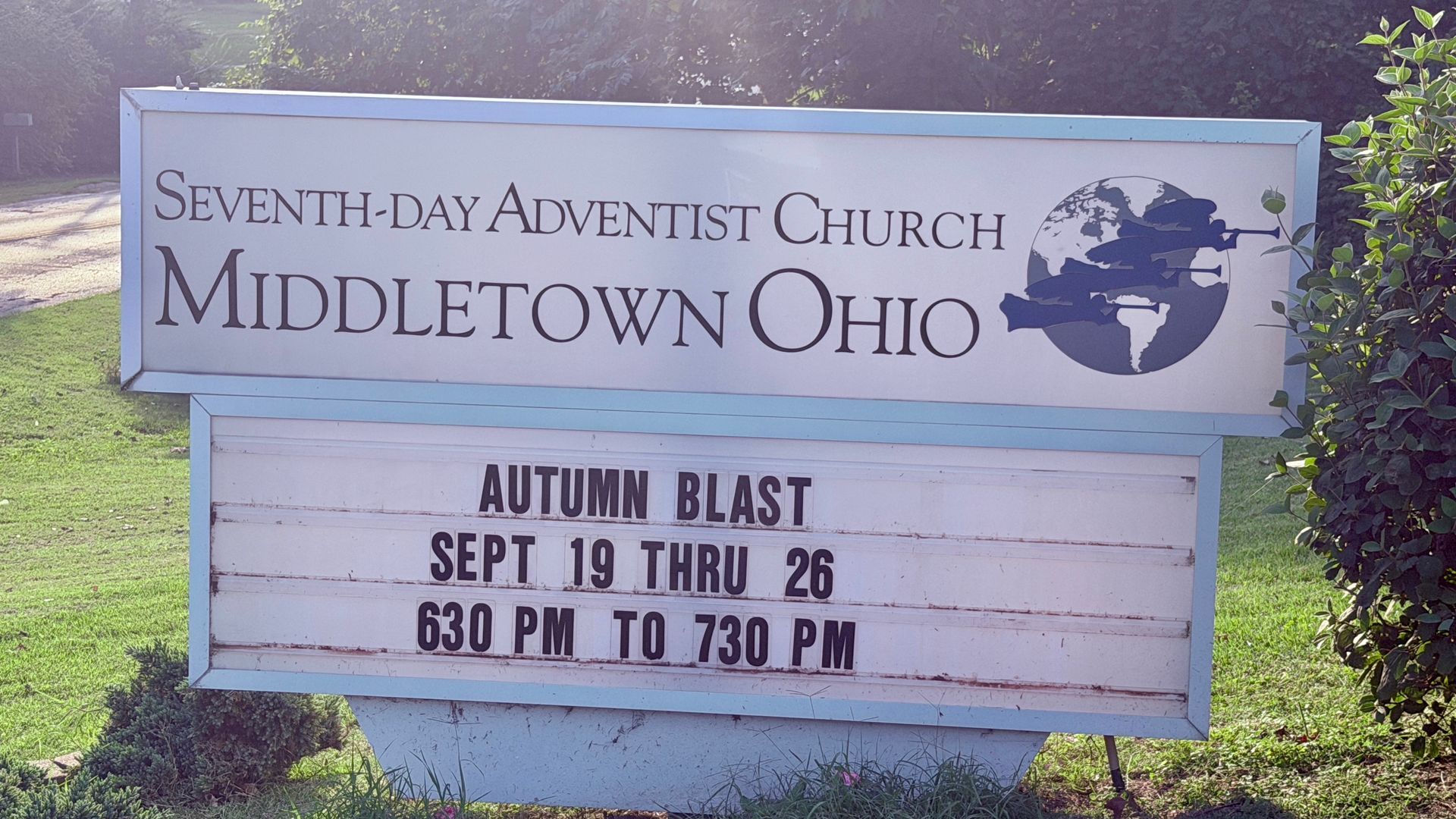
MIDDLETOWN, Ohio — Returning guests and new faces stood together Sunday evening at the Middletown Seventh-day Adventist Church and repeated three declarations: “My mind is ready. My heart is open. And my soul is hungry.”


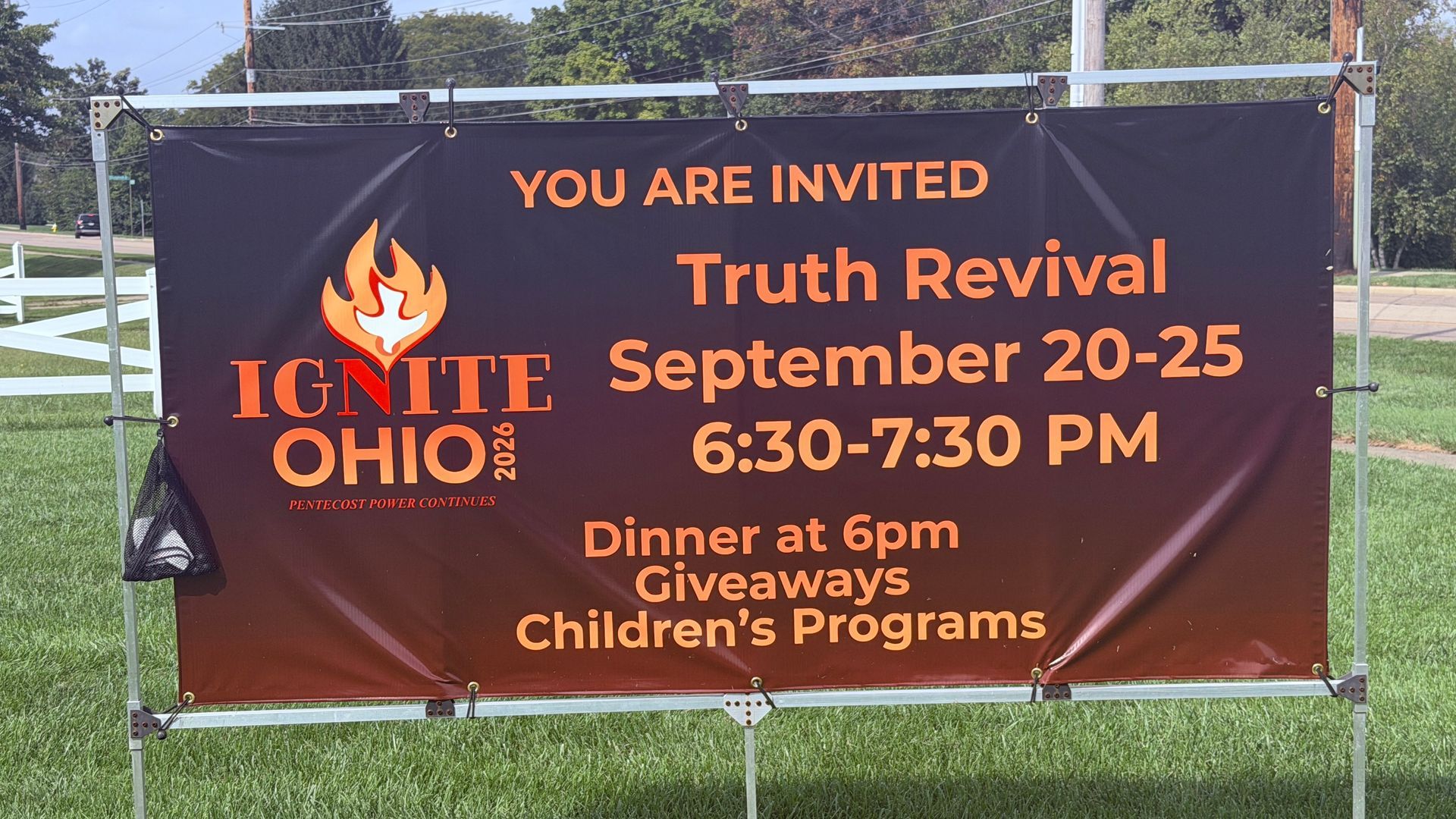
The moment opened another evening of Ignite Ohio, a statewide evangelistic initiative bringing together 28 Ohio Conference churches for simultaneous proclamation and community outreach from September 19–26, 2026.

At Middletown, the initiative is becoming more than a week of public meetings. Church leaders say it is strengthening unity among members, introducing the congregation to new people and creating momentum for continued evangelism and discipleship. “We want to serve our community, win souls for the kingdom, build up our church and join the united effort of the conference to move evangelism forward,” said Bill Hrovat, pastor of the Middletown church.


Hrovat said the congregation had not undertaken an initiative of this kind in a long time. During the preparation and opening stages of the campaign, he has seen members work together and build stronger relationships. “If nothing else happened, it has been good for the members to work together, build bonds and strengthen unity,” he said. “I believe this is going to bring revival to this church.” Hrovat said he is also encouraged by the new people attending the meetings and the possibility of welcoming them into the life of the congregation.“We’re seeing all kinds of new faces,” he said. “New people joining will bring new life and vitality to our church.”


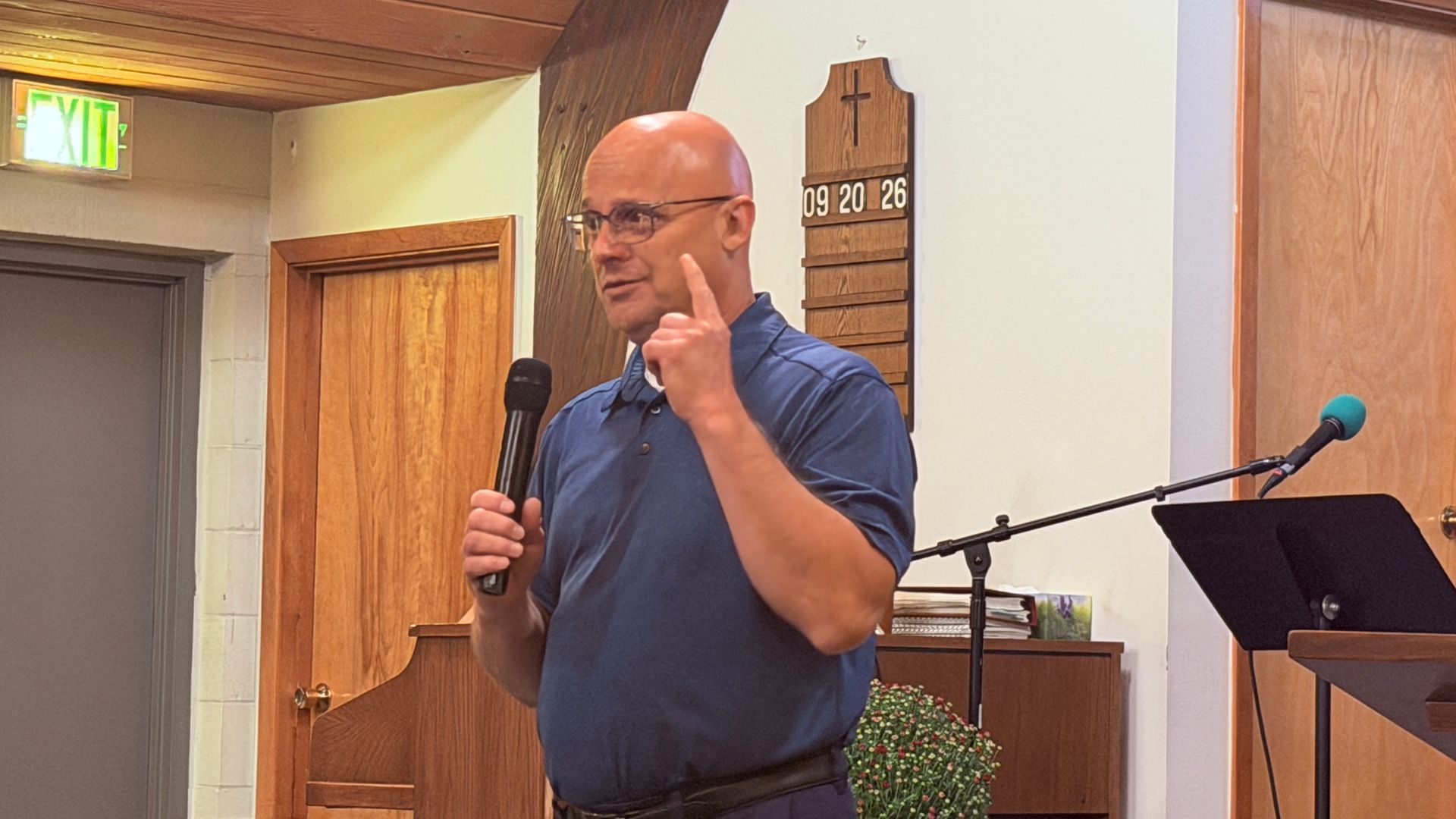
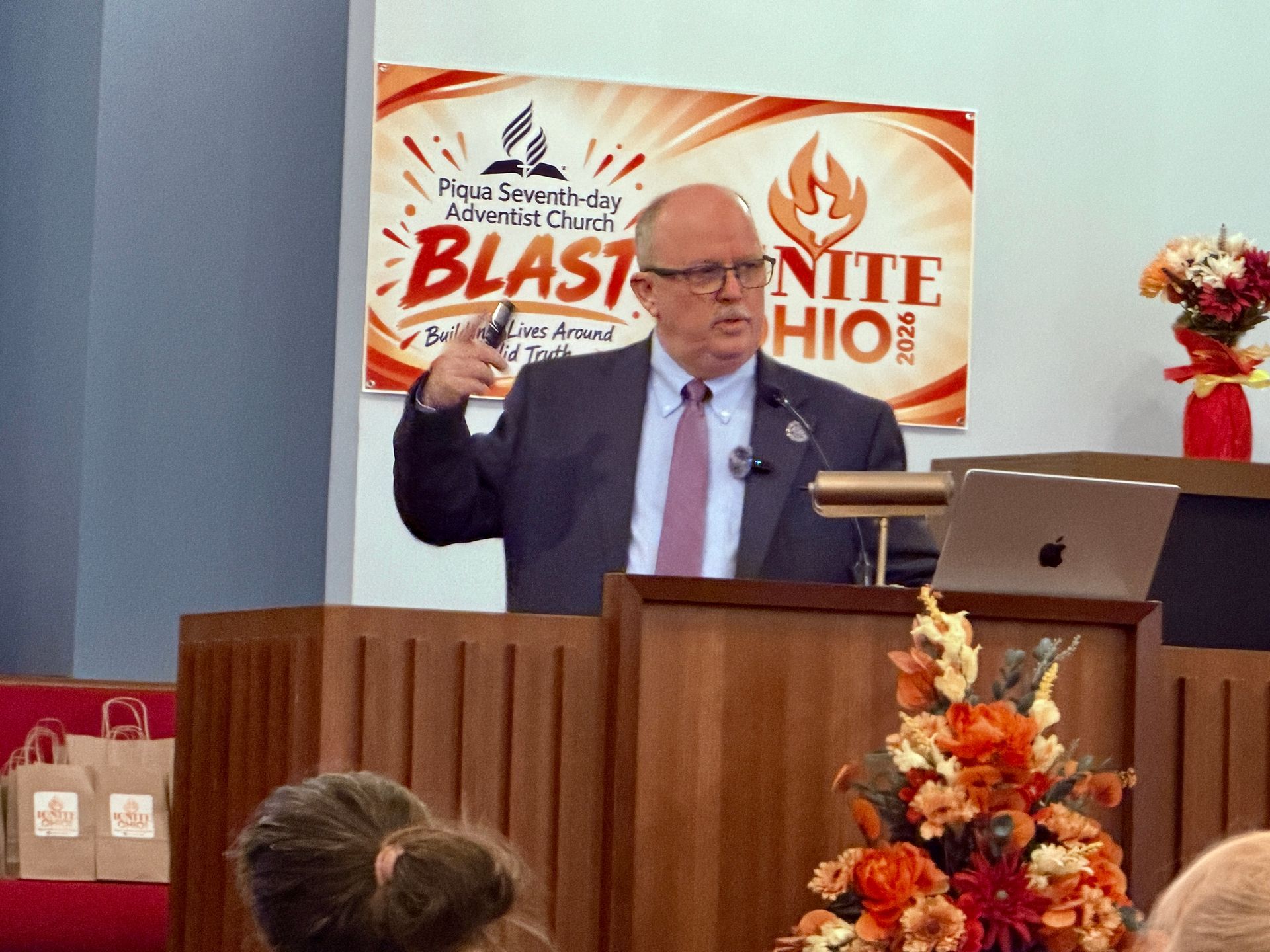
Dr. Bryant Smith, a chaplain at Kettering Health and the Ignite Ohio speaker at the Middletown site, delivered Sunday evening’s message. With “Promise Keeper” as its central idea, the presentation explored Christ’s promised return as a source of hope amid grief, illness and disappointment.


Smith began with a warning drawn from everyday experience: “Don’t make a promise that you cannot keep.” People may make commitments in emotional moments, he said, only to break them when their feelings or circumstances change. Using LeBron James’ promise to bring a professional championship to Cleveland as his opening illustration, Smith recalled how the Cavaliers ended the city’s 52-year major professional sports championship drought in 2016. He then directed the congregation to the One he described as “the greatest Promise Keeper the universe has ever known.” Reading from John 14:1–3, Smith emphasized Christ’s assurance: “I will come again.” “Whatever disappointment, whatever hardship, whatever headache, whatever—or whoever—you have lost in this life, it is the promise of God’s soon return that gives us strength and courage to endure,” Smith said. He connected that promise with the realities people face, including bereavement, cancer, other illnesses and dissatisfaction with present circumstances. Christian hope, he said, is grounded not only in what happens in this life but also in Christ’s promise of resurrection, restoration and eternal life.

“It stings that I lost somebody near and dear to me, but I’m going to keep going because I have an eternal promise,” Smith said.


Contrasting human unreliability with God’s character, Smith cited Numbers 23:19, which declares that God does not lie or change His mind. “People break their promises all the time,” he said. “But when it comes to the promise in John chapter 14, we are talking about a God who does not lie and does not change His mind.”


Smith also emphasized that Scripture does not reveal the precise time of Christ’s return. Rather than waiting until the last possible moment to prepare spiritually, he urged attendees to live in a continual state of readiness. “God purposely did not tell us when He is coming again,” Smith said. “He wants us to remain in a state of readiness instead of trying to get ready at the last possible moment.”


 Drawing from Acts 1, Matthew 24 and Revelation 1, Smith said Christ’s return will not be secret or hidden but personal, public and visible. “This will not be any quiet, secret or little-in-the-corner event,” he said. “This will be the triumphant return of our Lord and Savior.” He concluded this portion of the message with the biblical picture of the last trumpet, the resurrection of those who died in Christ and the transformation of living believers. “What a beautiful scene that will be,” Smith said. “I cannot wait until all the heartache and headache is over. I can’t wait to look at my Savior in His face and see His nail-pierced hands.”


In an interview, Hrovat outlined how the church plans to sustain the relationships formed during the series and support participants after the meetings end. The congregation intends to assign spiritual mentors, help newcomers develop friendships within the church, organize social activities and, if possible, establish a class for new members. “If they don’t develop friendships in the church, they often will leave,” Hrovat said. “We’re going to assign a spiritual mentor to each one, have social events, disciple them and give them opportunities to serve.”


The church also plans to continue its evangelistic and community-outreach activities after Ignite Ohio ends, involving new members in ministry and helping them grow from recipients of the church’s care into active participants in its mission.


For Middletown, Hrovat said, Ignite Ohio is a starting point rather than a conclusion—an opportunity to sustain outreach momentum, strengthen the congregation, and turn new relationships into a lasting community of faith.

share this

Related Stories
By Francis Tuffour September 20, 2026
PIQUA, Ohio — The Piqua Seventh-day Adventist Church opened its Ignite Ohio evangelistic series with a message addressing one of humanity's most enduring questions: Why is there evil and suffering in the world? The local series, themed "Hope for a World in Crisis," is part of Ignite Ohio, a statewide evangelistic initiative involving 28 Ohio Conference churches from September 19–26, 2026. The initiative combines biblical preaching, personal evangelism, and compassionate service in communities statewide. The guest speaker for the Piqua series is Elder Kent Sharpe, vice president for finance of the Potomac Conference of Seventh-day Adventists. Although much of his regular ministry involves administrative and financial responsibilities, Sharpe said participating in evangelism reconnects him with the spiritual purpose of his work. In an interview before the evening presentation, Sharpe was asked what motivated him to come to Piqua and share the Word of God with the community. "I spend all week, every week and every month dealing with church problems," Sharpe said. "When I set aside time to go and do evangelism, it is a spiritually refreshing opportunity for me. It reminds me why I am a Seventh-day Adventist. It rejuvenates me." Sharpe said he intentionally tries to conduct at least one evangelistic series each year. For him, success should not be measured solely by the number of baptisms but also by whether the gospel is faithfully presented, questions are answered, and local members become actively involved. "Yes, we want baptisms, but that is the work of the Holy Spirit," he said. "Our job is to invite people, share the gospel with them, and answer their questions. Our job is not conversion." He emphasized that the congregation's presence and participation are essential to creating a welcoming environment for visitors. Members, he said, should attend consistently and personally invite their friends. "Why should you invite your friend to come to something you're not going to?" Sharpe asked. During the evening presentation, Sharpe explored the biblical origin of evil, tracing the conflict from the rebellion in heaven to Adam and Eve's choices. He explained that humanity's rejection of God introduced guilt, fear, broken relationships, and death into the world. "We have been hiding ever since," Sharpe said. "Sin produces separation between God and us. It produces conflict and separation between each one of us." Using Jesus' parable of the wheat and weeds, Sharpe distinguished God's work from the suffering caused by evil. In the parable, a man plants good seed, but an enemy later sows weeds among it. "God planted good seed," Sharpe said. "He didn't sow seeds of suffering, sickness, and death. The Bible constantly identifies the enemy as Satan—the adversary." Sharpe then shifted from the origin of evil to God's response through Jesus Christ, assuring those attending that no one is beyond the reach of divine love. "There is no valley too deep, no pit so dark where God's love cannot reach you," he said. "There is no place you can run where God's love cannot reach you." Responding to the question of why God does not intervene against evil, Sharpe pointed to Christ's life, death, and resurrection. "Why doesn't God do something? He did," Sharpe said. "He entered this world with all its evil and fought a decisive battle to defeat Satan for you and for me." He concluded by inviting the attendees to commit or recommit their lives to Christ. Decision cards let participants request baptism or rebaptism, express interest in joining the Seventh-day Adventist Church, request Bible studies, or submit prayer requests. Drake Johnson, a Bible counselor assigned by the Ohio Conference, supported the Piqua series. Johnson said Ignite Ohio's combination of evangelism and practical community service motivated him to participate. "What really intrigued me was the compassion project—the BLAST—and being able to do something like that and affect a community in that way," Johnson said. "When they told me they were doing it all across Ohio, I said, 'Let's dive in. That sounds fun.'" Johnson said he plans to begin each day with personal devotion and prayer before joining local church members in visiting people throughout the community. His approach will build upon relationships that members have already established, including connections developed by a church member who serves as a local firefighter. "One of my major plans is to visit within the community," Johnson said. "I'm going to work with the local church members to reach people they already know and have relationships with." For Johnson, personal evangelism is not merely an assignment but a ministry he genuinely enjoys. "I love going out, talking to people and seeing people make decisions for Christ," he said. "It was a win-win all the way around." He expressed hope that Ignite Ohio's impact would extend beyond Piqua, giving people throughout the state opportunities to hear Scripture, surrender their lives to God, and choose to follow Christ. "I'm expecting this entire series, across all of Ohio, to be a time when people can hear the truth of God's Word, come to Him, surrender to Him, and make the decision to follow Christ," Johnson said. Through biblical preaching, community relationships, compassionate service, and personal follow-up, Piqua's leaders and visiting ministry team hope to offer what the series promises: real hope for a world in crisis and a future grounded in Jesus Christ.
By Francis Tuffour September 19, 2026
CENTERVILLE, Ohio — Centerville Seventh-day Adventist Church is preparing to welcome hundreds of community members during Ignite Ohio, a statewide evangelistic initiative bringing together 28 Ohio Conference churches for simultaneous proclamation and community outreach from September 19–26, 2026. Centerville’s local “Truth Revival” series will be held September 20–25 from 6:30 to 7:30 p.m., with dinner served at 6 p.m. The featured speaker will be Pastor Leonard A. Johnson, a native of the Bahamas who lives in Maryland and serves as a general vice president of the General Conference of Seventh-day Adventists. For Michael Goetz, lead pastor of Centerville Church, the initiative carries personal significance because an invitation extended to his mother ultimately influenced the direction of his own life. “I am here because somebody invited my mother to come hear the gospel,” Goetz said. “I’m a Christian and a Seventh-day Adventist because of that.” When the Ohio Conference invited Centerville to join churches across the state in simultaneously sharing the gospel and addressing community needs through compassion ministries, the congregation responded without hesitation. The Ohio Conference provided participating churches with financial and organizational resources, decision coordinators and guest speakers. Goetz told the congregation that he has seen God guide the process and bring the right people together at the right time. During Centerville’s final preparations, Johnson encouraged members to support the meetings through what he called the “three Ps”: prayer, presence and participation. “We need the presence of the Holy Spirit to guide us as we meet,” Johnson said. “Without the presence of the Holy Spirit, these meetings will not be effective.” He asked members not only to pray but also to attend the meetings, encourage one another, and invite others. “Encourage someone to come, bring someone along, say a positive word, and together we will uplift Jesus Christ,” Johnson said. About 900 people have preregistered for the Centerville series, with approximately 200 indicating plans to attend the opening night. Organizers acknowledge that not everyone who registered may attend. Still, church leaders view the response as an important opportunity to build relationships and support those seeking a closer connection with God. Ruth Rivera Turnewitsch, a pastor and military chaplain, will serve as the series’ decision coordinator. “We want to collaborate and work together with you,” Turnewitsch told the congregation. “We invite you to be present and engaged. Some may decide to connect with God, request Bible studies, or build friendships with people who share Christian values.” Goetz emphasized that this partnership begins with genuine hospitality. He urged members to move beyond familiar social groups and intentionally sit with people they do not know. “Come and connect,” Goetz said. “Don’t hide away in the recesses of the building or in the balcony; come and engage. If there is somebody you don’t know, that is the person you should sit beside. Ask about their life, find out who they are, and let them know you care.” Everyone attending the meetings, including Centerville members, will register upon arrival. Members were asked to register alongside the guests they invite and to complete the nightly decision cards, setting an example of participation while helping the response team distinguish members from visitors. Registered guests may receive tickets for giveaways, including gas cards and grocery baskets. Completed decision cards will also be entered into drawings on the following evening for prizes that include household items and gift cards for Spring Valley Academy’s upcoming fall festival. Prayer will remain central throughout the series. Each evening, selected attendees will receive cards containing Bible promises. Those receiving a card will serve as prayer partners, claiming the promise from their seats as they pray for the speaker, the message, and those considering spiritual decisions.  Through prayer, personal invitations, compassionate service, and intentional follow-up, Centerville’s leaders hope the initiative will become more than a week of meetings. Their goal is to help visitors experience genuine care, meaningful Christian community, and the transforming hope of Jesus Christ.
By Francis Tuffour September 8, 2026
Last Sabbath, the Toledo Hispanic Church inaugurated its new sanctuary with a worship service attended by more than 110 people. The service featured praise and worship music, testimonies, baptisms, and a sermon. Pastor Edwin Monterrosa, Director of Multilingual Ministries, represented the Ohio Conference administration and shared a special message with the congregation. On Tuesday, September 1, 2026, the Ohio Conference held its Executive Committee meeting in the church’s fellowship hall. Conference President Bob Cundiff explained that the administration had intended to hold a fall meeting at a different location to reinforce that the committee represents and serves the entire state of Ohio, beyond the communities where its members live or normally meet. Cundiff emphasized that periodically meeting in different parts of the conference territory serves as an internal reminder of that responsibility. He connected the visit to the committee’s work, noting that although its business often takes the form of agendas, minutes, budgets, papers, and motions, those decisions have tangible consequences for local congregations. Anthony Infante, pastor of the church, welcomed the committee and expressed the congregation’s happiness at being able to host and serve its members in their new church home. Infante thanked the Ohio Conference administration, the Executive Committee, and the treasury team for helping make the building purchase possible. He compared the congregation’s experience to the account in Nehemiah 1:2–4, in which Nehemiah received the troubling news that Jerusalem’s walls were broken down and responded with sorrow and prayer. Infante explained that the congregation’s lack of a church home had similarly prompted members to turn to God in prayer. As with Nehemiah, prayer became an important part of their journey. The congregation used to meet in the fellowship hall at Toledo First. Over time, both the Hispanic and English-speaking congregations grew, creating a space shortage. Infante described this as “a good problem.” Eventually, the building could no longer comfortably accommodate both growing congregations. Infante humorously compared the situation to Abraham and Lot going in different directions, emphasizing that both congregations needed room to continue growing. The Hispanic congregation purchased its new building approximately three months before the committee’s visit. The facility required substantial work. Infante shared photographs showing its condition at the time of purchase and later led committee members on a tour. During those three months, the congregation undertook significant improvements. The exterior paint was deteriorating and needed attention, and members constructed a new platform to replace the deteriorating one. They also added a baptistry, provided needed chairs and pews, and installed new lighting. Other renovation and preparation work has continued throughout the facility. Church members have accomplished much of the work through direct involvement and volunteer labor. Returning to the example of Nehemiah, Infante described members as working with “the Bible in one hand and construction in the other.” Members have come to church in work clothes and devoted considerable time and energy to preparing their new home. Infante said it was wonderful to see them serving their church in such a practical way. Even after worship services, members have gone upstairs to continue working on the renovations.
ALL STORIES

STAY UP TO DATE

GET CONFERENCE'S LATEST

Receive monthly updates from the conference, and get a heads up on upcoming events.

Contact Us